


Optimize Senior Dog Naps: Sleep Schedule Secrets
Updated: Feb 21
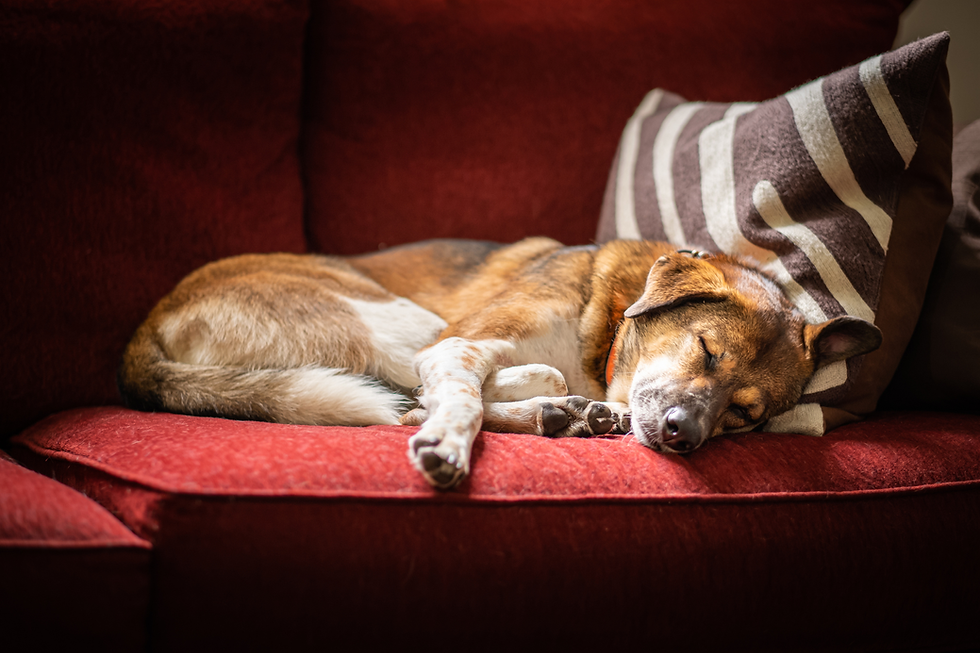
The shift from high-energy engagement to extended rest periods in our canine companions marks a significant transition in geriatric care. Observing a senior dog’s sleep behavior offers profound insight into their overall well-being, often signaling underlying issues long before overt symptoms appear. For veterinary professionals, specialized caregivers, and devoted owners alike, understanding and mastering the intricacies of senior dog napping patterns optimization is not merely beneficial—it is foundational to extending their quality of life. This comprehensive guide delves into the science and practical application required to establish robust and supportive sleep schedules for our aging friends.
The Physiological Shift: Why Senior Sleep Changes
Aging brings inevitable physiological alterations that directly impact rest cycles. Unlike younger dogs, seniors experience reduced REM sleep duration and often spend more time in lighter stages of sleep. This fragmentation means they wake more easily, leading to daytime drowsiness and reduced restorative rest. Addressing this requires understanding the "why" behind the increased napping frequency.
Identifying Common Disruptors to Rest Quality
Several factors contribute to poor sleep continuity in older dogs. Recognizing these is the first step toward effective intervention. Conditions such as chronic pain, nocturia (increased nighttime urination), and cognitive decline profoundly fragment sleep architecture. A dog restless due to undiagnosed osteoarthritis, for example, will exhibit frequent, brief awakenings, skewing their perceived napping patterns.
Subtle increases in nocturnal movement or vocalization.
Changes in the preferred sleeping location or insistence on warmer bedding.
Increased daytime lethargy or disorientation following short rest periods.
Changes in water intake patterns, leading to nighttime bathroom breaks.
Establishing the Cornerstone: Dog Sleep Schedule Importance
The dog's sleep schedule importance transcends simple routine; it regulates the circadian rhythm, manages hormone release, and supports immune function. For geriatric dogs, consistency acts as a stabilizing anchor against the chaos of age-related physical and mental decline. A predictable schedule minimizes anxiety and maximizes the efficiency of limited deep sleep periods.
Implementing a Structured Daytime Protocol
Optimization of nighttime sleep begins the moment the dog wakes up. The goal is to consolidate rest into fewer, longer periods, rather than many short, unsatisfying naps. This requires careful management of the dog's waking hours.
Strategic Activity Windows: Schedule short, low-impact exercise sessions (e.g., slow walks, gentle stretching) during peak alertness times, typically mid-morning and late afternoon. Avoid intense activity close to evening rest.
Consistent Meal Times: Feedings should occur at the exact same time daily. This regulates digestive processes, minimizing the likelihood of gastrointestinal discomfort disrupting sleep later.
Environmental Conditioning: Ensure the primary resting area is quiet, dark, and maintained at a comfortable temperature, signaling "sleep time" to the dog’s internal clock.
Nocturnal Environment Management
Nighttime success often hinges on preemptive environmental adjustments. Addressing physical discomfort is paramount for achieving sustained sleep phases. Consider the orthopedic needs of aging joints.
Veterinary professionals frequently recommend high-quality, orthopedic memory foam beds. Furthermore, for dogs experiencing nocturia, strategic water withholding (consulting with a veterinarian first) and scheduled late-evening potty breaks can drastically reduce middle-of-the-night awakenings. This targeted approach significantly improves overall sleep continuity.
Utilizing Environmental Cues and Sound Management
Sensory input plays a crucial role in maintaining stable senior dog napping pattern optimization. Senior dogs often have reduced sensory acuity, meaning that while they may be less disturbed by minor noises, they can also struggle to recognize subtle environmental cues designed to encourage sleep.
The Role of White Noise and Calming Scents
In environments shared with younger pets or active households, ambient noise can be a major impediment. Utilizing consistent, low-level white noise machines can effectively mask sudden, disruptive sounds like doorbells or traffic. Similarly, controlled use of pheromone diffusers, such as those containing DAP (Dog Appeasing Pheromone), can foster a sense of security conducive to deeper rest.
Light Regulation for Circadian Synchronization
Light exposure is the primary regulator of the circadian rhythm. During the day, maximize exposure to natural light to promote wakefulness and energy expenditure. Conversely, implementing a strict "lights out" policy in the evening—mimicking natural dusk—helps trigger melatonin production, signaling the body that it is time for consolidation of sleep. This contrast between bright days and dark nights reinforces the proper sleep-wake cycle, essential for geriatric health maintenance.
Frequently Asked Questions
How much sleep should a typical senior dog ideally get per 24-hour period?
While puppies and younger adults sleep around 12 to 14 hours, most healthy senior dogs require between 16 and 18 hours of rest daily. However, the critical factor is not total time but the duration of continuous, uninterrupted rest periods achieved both day and night.
What is the difference between normal senior napping and signs of serious decline?
Normal napping is predictable and restorative, with the dog easily roused and alert afterward. Serious decline is indicated by lethargy that persists even after long rests, confusion upon waking, or increased pacing/restlessness during the night (sundowning).
Should I wake a senior dog if they sleep too long during the day?
Generally, if the dog is resting quietly and breathing normally, waking them is unnecessary and potentially counterproductive to their rest cycle. Focus instead on ensuring they are active and engaged during appropriate waking windows, rather than policing their nap length.
How can I differentiate between pain-related waking and cognitive dysfunction in sleep patterns?
Pain often manifests as difficulty settling, shifting positions frequently, or yelping upon moving, whereas cognitive dysfunction often presents as staring blankly, wandering aimlessly when awake, or vocalizing without clear environmental stimuli during the night.
What supplements might aid in better senior dog napping pattern optimization?
While always requiring veterinary consultation, supplements targeting joint health (e.g., glucosamine, chondroitin) can reduce pain-related arousal. Melatonin or L-theanine may also be used cautiously to support natural sleep chemistry, particularly in cases related to canine cognitive dysfunction.
Conclusion: Integrating Observation with Intervention
Successfully optimizing the sleep hygiene of our senior companions requires diligent observation coupled with proactive environmental and scheduling adjustments. The commitment to understanding subtle changes in senior dog napping patterns optimization is a direct investment in their comfort and longevity. By recognizing the dog sleep schedule's importance, establishing consistent routines, and meticulously managing sensory input, we can ensure that the twilight years are characterized by restorative rest rather than restless fragmentation. Regular consultation with a veterinary behaviorist or geriatric specialist remains the gold standard for tailoring these complex interventions to individual needs. Prioritize consistency today to ensure peaceful tomorrows for your senior charge.


